
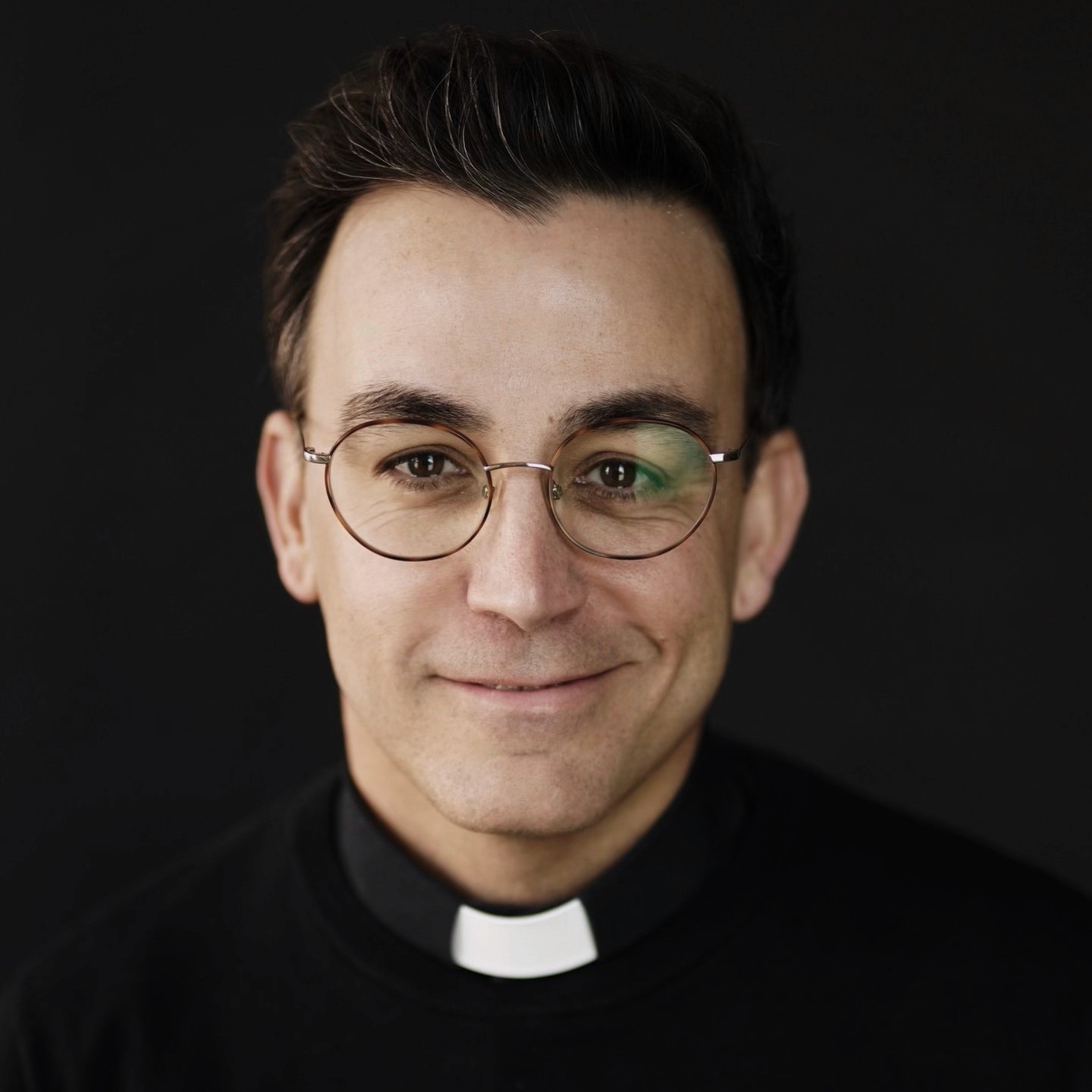
Guy+ Delcambre
We tend to measure so much of life by its endings.
How did the investment perform? Did the marriage endure? How did the children turn out? Was the work worth giving our lives to? We instinctively believe that only at the end can the meaning of a thing finally be seen.
Perhaps that's because endings have a way of asking questions that beginnings cannot.
Imagine, for a moment, the worst possible outcome—the ending you most fear. Strangely, if you stay there long enough, another realization begins to emerge. Every ending, however painful, also becomes the threshold of something new. The final page of one story is almost always the first page of another.
T.S. Eliot captured this mystery in Little Gidding:
"And the end of all our exploring
Will be to arrive where we started
And know the place for the first time."
Recently, I encountered this same mystery in an unexpected place. I found myself deeply moved by a song from Mumford & Sons titled A Conversation with My Son, which imagines the bond between father and child in these words:
“Reach across again, here’s where Heaven starts; I end where you begin, with my hand over your heart."
To say that those lyrics literally apprehended my imagination is no overstatement. In that moment, I suddenly found myself thinking about the generations I belong to all at once—my father, his father, myself, and my son. None of us stands alone. Each of us is, in some sense, the ending of a story we did not begin and the beginning of one we will not finish.
This Sunday, Genesis 25 opens not with Jacob, but with Abraham's death. It is an unusual way to begin a new chapter, unless Scripture is trying to teach us something. Abraham's faithful ending becomes Isaac's beginning, and Isaac's life becomes the setting in which Jacob's story unfolds.
The Church Fathers noticed this, too. St. Ambrose saw in Isaac and Jacob not simply two men, but two stages of the Christian life. Jacob teaches us how God forms us through struggle, pilgrimage, and surrender. Isaac reveals the soul brought to rest in the quiet fruit of that formation. Curiously, Isaac's story begins where Jacob's will eventually lead.
Perhaps that is true for us as well. The endings we fear are often the very places where God begins His deepest work. The beauty of an ending is not that it is final, but that, in Christ, it is rarely the last word.
I hope you'll join us this Sunday as we consider what Jacob's story teaches us about receiving—not grasping—the life that God desires to give.