
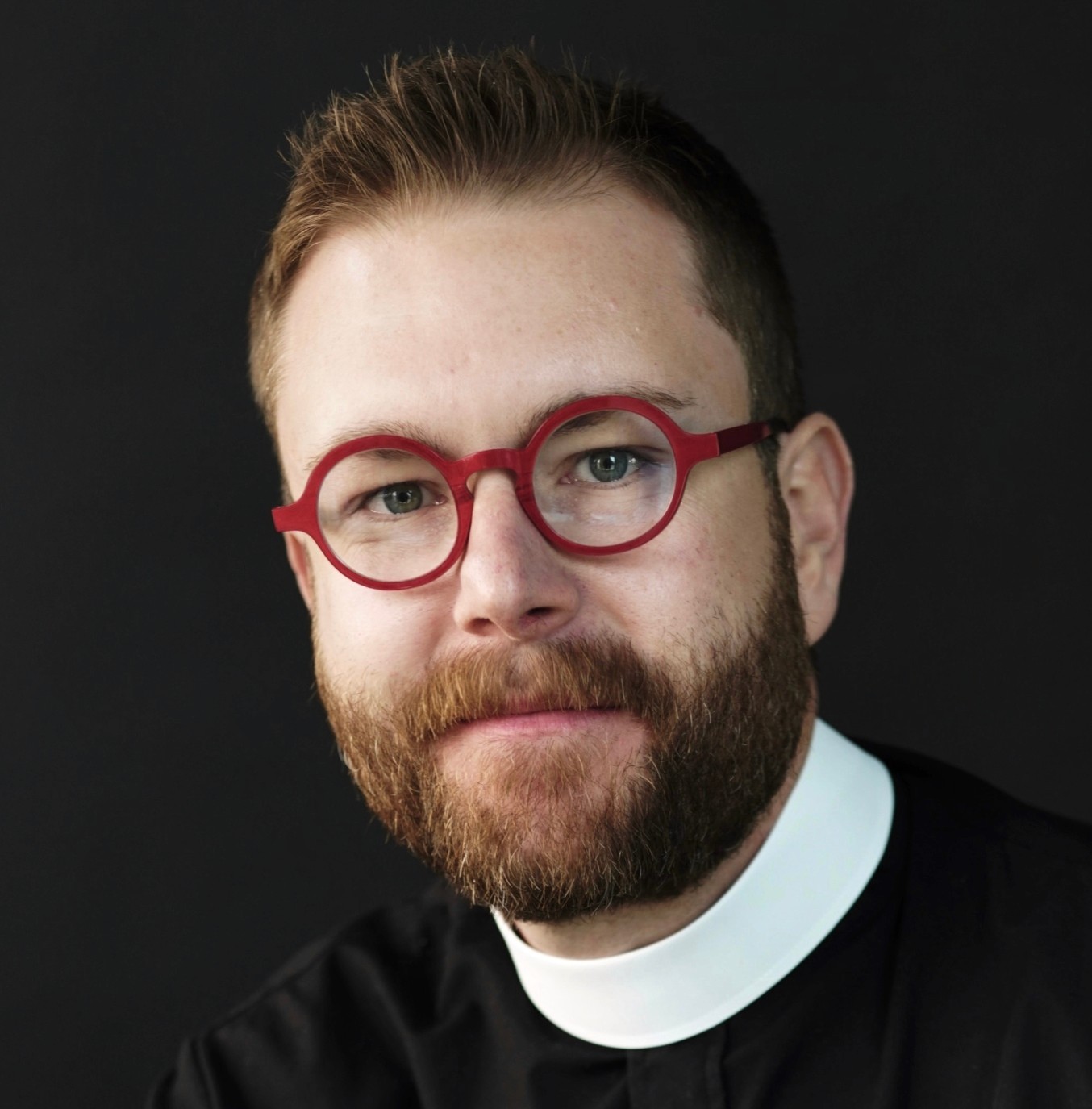
Dustin+ Messer
In our summer study in Genesis, we come to the twelfth chapter: the call of Abraham. The children of Abraham, we'll see, will be as many as the stars in the sky and the sand on the seashore. What does the lineage of this man from antiquity have to do with us today?
Well, the great surprise of the New Testament is that the children of Abraham will be made up of people from every tribe, tongue, and nation. We, the church, are the fulfillment of the great promise made to Abraham that we'll learn about on Sunday.
In his beautiful book, A New Heaven and a New Earth, J. Richard Middleton points out that Revelation 21:3 shifts from the singular to the plural in reference to God’s people:
“And I heard a loud voice from the throne saying, ‘Behold, the dwelling place of God is with man [singular]. He will dwell with them, and they will be his peoples [plural], and God himself will be with them as their God.’”
This shift, says Middleton, shows “the general thrust of the biblical story, which expands the boundaries of the covenant people to include all humanity.”
Said differently, the biblical story from Abraham forward can be summed up as moving from a person (Abraham) to a people (Israel) to a person (Jesus) to all peoples (the multi-ethnic church). Currently, we’re living in the “peoples” part of the story, the final and climactic act.
This can be seen by looking at where the church is located globally: 26% in Europe, 37% in the Americas, 24% in sub-Saharan Africa, and 13% in Asia and the Pacific. Of course, you can see the same reality by looking at All Saints Dallas, where multiple families, races, and cultures are represented.
Indeed, the heterogeneous nature of our common worship signals that God is fulfilling His promises to Abraham. We are the stars; we are the grains of sand. Our unity amidst diversity is a sign of Jesus’ inclusive reign, breaking into the here and now.
The King is summoning His peoples. Come, let us adore Him!